 YouTube is bringing back Direct Messages, and no; this isn’t a recycled feature from the past.
It’s a strategic move aimed squarely at how creators grow in 2026.
After killing in-app messaging in 2019, YouTube is testing a cleaner, more intentional DM system.
This time, the goal is simple: keep sharing, conversations, and discovery inside YouTube.
If you’re a creator, this update matters more than it looks.
A Quick Look Back: Why DMs Failed the First Time
YouTube first launched in-app messaging in 2017.
The idea was solid, but execution wasn’t.
Adoption was low.
Privacy concerns popped up.
Most importantly, creators had no real incentive to care.
By 2019, YouTube quietly shut it down.
Fast forward to 2026, and the platform understands something it didn’t back then:
Private sharing is one of the strongest engagement signals on social video.
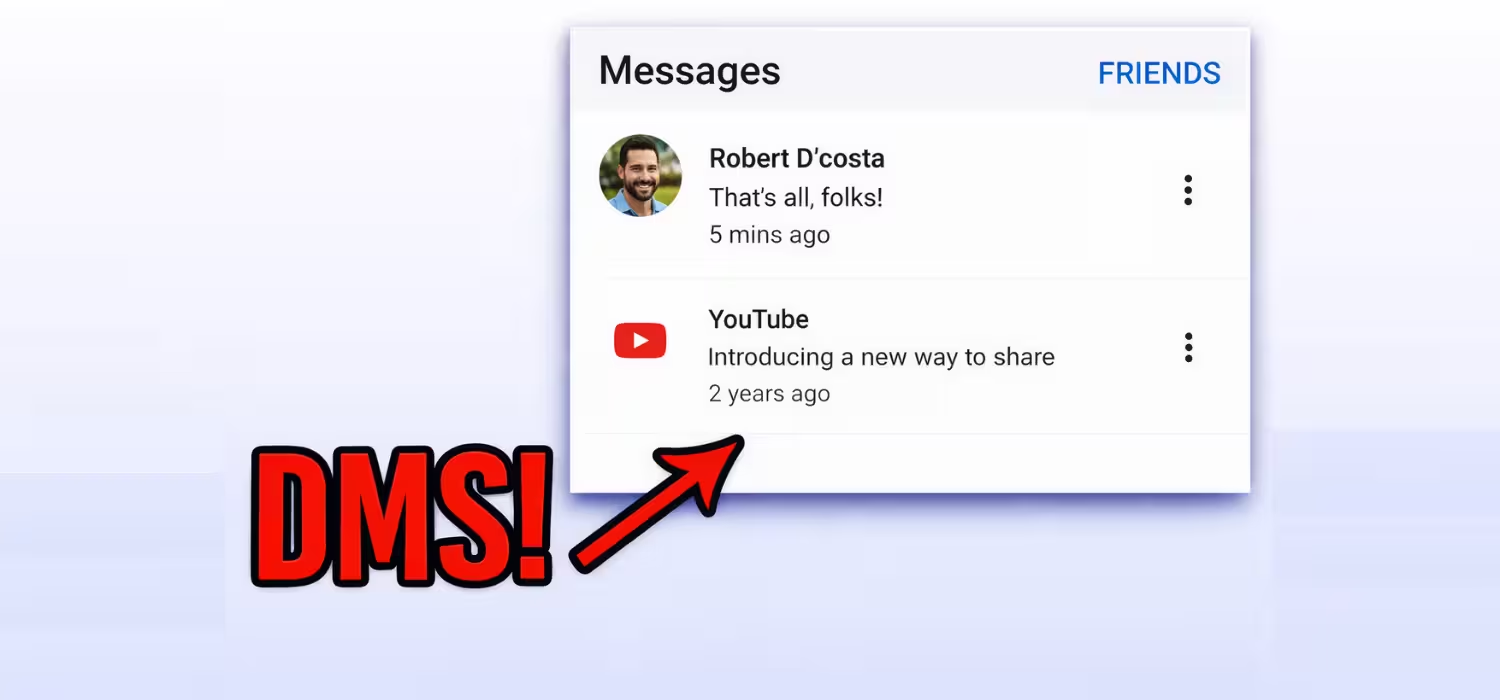
What’s New in the YouTube DMs Update
This is a limited pilot, not a full rollout. Here’s what’s live right now:
- Testing only in Ireland and Poland
- Available to 18+ verified accounts
- Mobile app only (no desktop support yet)
- Invite-based conversations
- Supports sharing videos, Shorts, and live streams
The key difference?
This system is content-first, not chat-first. Everything revolves around sharing videos and reacting to them inside YouTube.
Why YouTube Is Reviving DMs Now
At first glance, reviving a failed feature sounds risky.
But in today’s landscape, it makes perfect sense.
1. YouTube Is Losing “Dark Social” Data
When viewers copy a video link and share it on WhatsApp, Instagram DMs, or Telegram, YouTube loses critical signals that power its ecosystem; engagement context, discovery paths, and monetization attribution.
Those shares happen outside YouTube’s visibility, creating a blind spot in how content actually spreads. Native DMs pull those conversations back inside the platform, letting YouTube track sharing behavior, understand virality earlier, and retain control over data, ads, and recommendations.
In short: less leakage, more insight, more revenue.
2. YouTube Is Playing Catch-Up
TikTok and Instagram already treat DMs as part of the content loop.
Users watch → react → share → discuss — without leaving the app.
Without DMs, YouTube risks being seen as a video library, not a social platform.
This update closes that gap.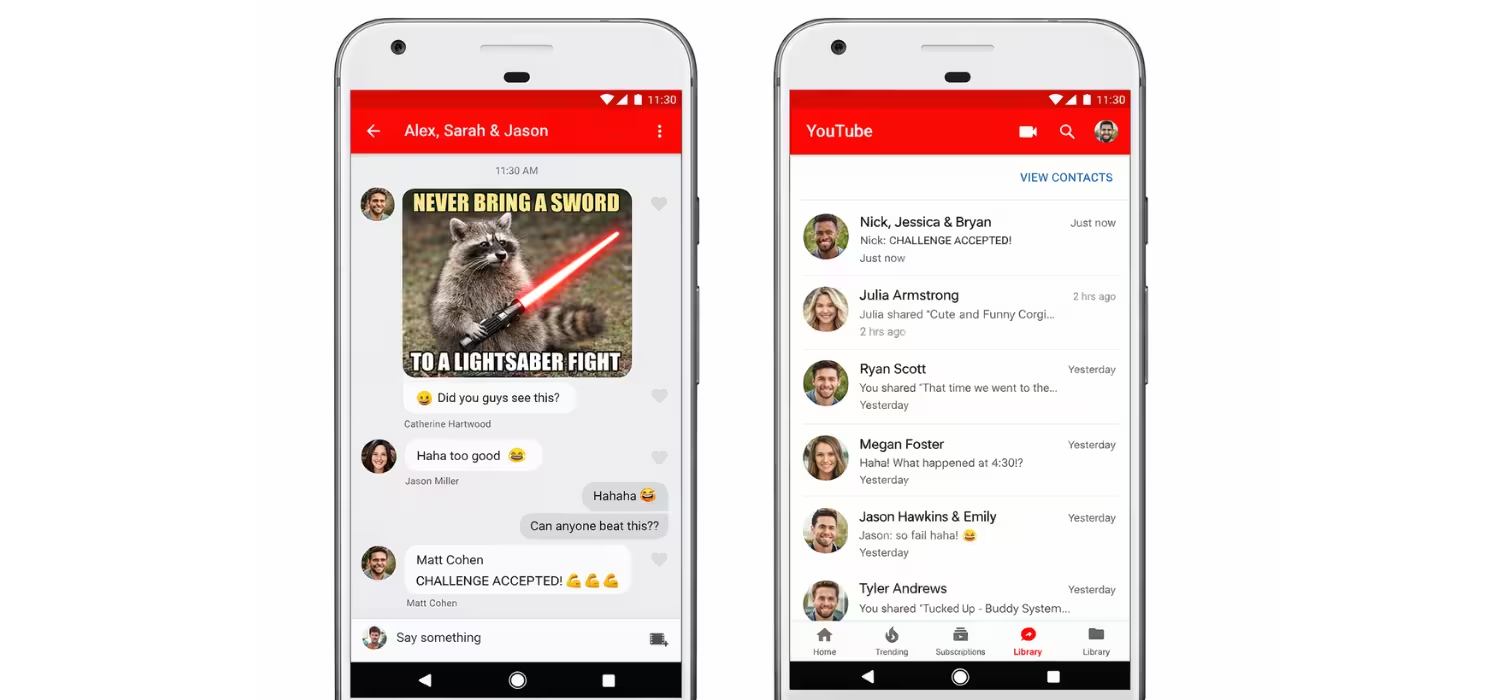
3. Discovery Is Becoming Private
Public likes and comments still matter.
They’re visible, social, and easy to measure.
But private sharing is often a stronger signal.
When someone sends your video directly to a friend, it usually means one thing: it truly landed.
That kind of share happens because the video solved a real problem, felt deeply relatable, or was genuinely entertaining enough to recommend 1-to-1.
If YouTube can learn from that behavior, it unlocks a quieter but far more powerful signal; one that reflects intent, trust, and relevance, not performative engagement. Over time, that data could subtly shape recommendations, discovery, and creator visibility without ever being public.
The Algorithm Angle Creators Shouldn’t Ignore
If DM shares become a measurable signal, YouTube will start rewarding content people feel compelled to send, not just passively watch.
That shift quietly favors videos with intent and utility, such as:
- Problem-solving content that fixes a real pain point
- Tutorials with clear outcomes people can confidently recommend
- Relatable niche videos that make viewers say, “this is so you”
- Shorts with fast “aha” moments worth dropping straight into a DM
In simple terms, the algorithm would prioritize share-worthy over scroll-worthy.
If someone is willing to attach your video to their personal credibility and send it to a friend, that’s a signal no like button can match.
What Creators Should Do Now
Even if this is still a limited test, smart creators shouldn’t wait. The shift toward private sharing is already happening; YouTube is just catching up.
Focus on:
- Creating moments people instinctively want to send to a friend
- Solving one clear problem per segment, not five half-answers
- Using casual, human prompts like “this might help someone you know”
- Making Shorts that feel useful and save-worthy, not disposable filler
These habits build trust, intent, and shareability—signals that matter today and will matter even more if DMs scale globally.
In short: optimize for real humans sharing with real people, not just the algorithm catching a swipe.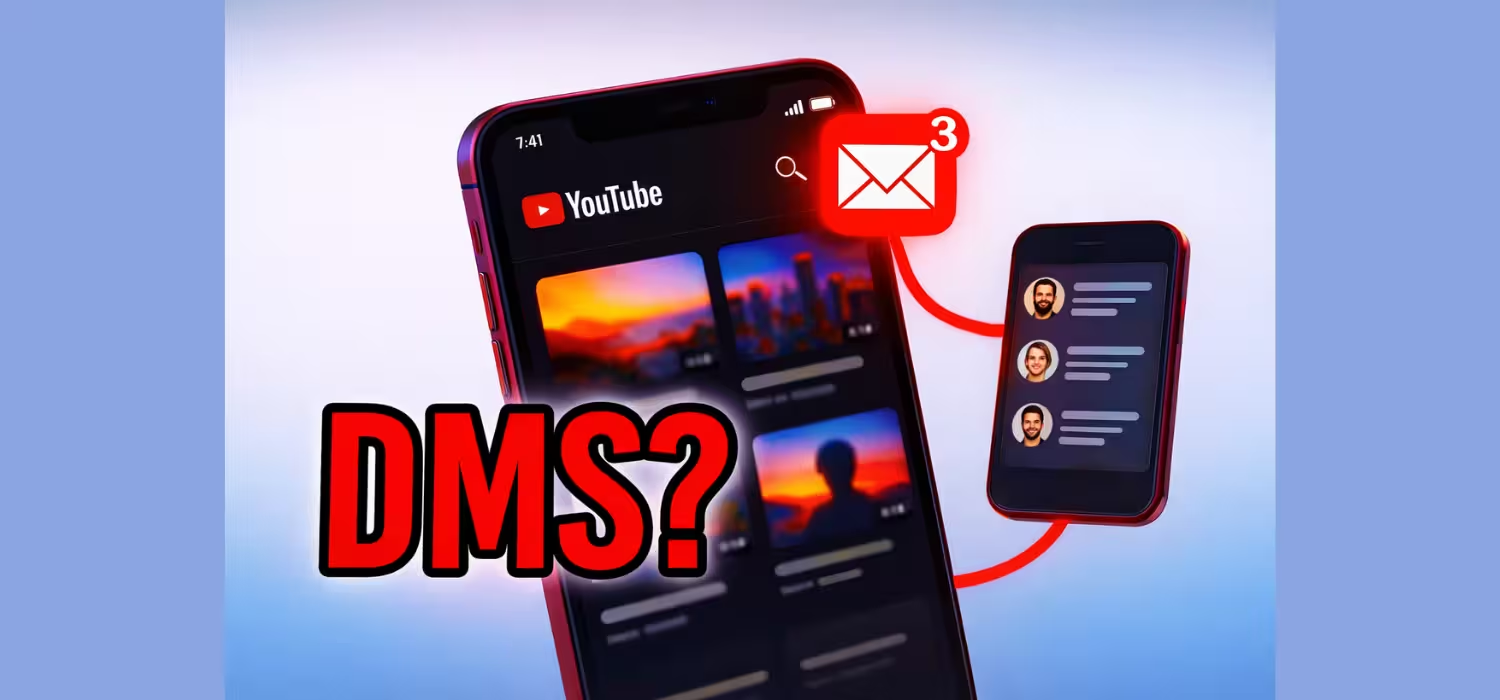
What YouTube Still Hasn’t Answered
Despite the momentum, there are still major unanswered questions creators should keep in mind:
- Will creators get visibility into DM share analytics?
- Will views generated from DMs be tracked or labeled separately?
- How will YouTube prevent spam, abuse, or mass DM manipulation?
- Will brands and businesses gain access to DM insights or tools later on?
Until YouTube clarifies these points, it’s best to treat DMs as an emerging engagement signal, not a guaranteed growth lever.
The opportunity is real; but for now, it’s something to optimize for quietly, not build your entire strategy around.
Conclusion
This update isn’t about messaging.
It’s about YouTube becoming more social without becoming noisy.
If DMs roll out globally, they could quietly reshape how videos spread — especially for creators who focus on value, clarity, and relatability.
The creators who win won’t be the loudest.
They’ll be the ones whose videos people say, “You need to see this.”
And that’s the kind of growth YouTube is clearly betting on in 2026.
