 Are your YouTube Shorts views suddenly hitting a brick wall? You’re not alone. With major changes to the YouTube Shorts algorithm in 2026, many creators are struggling to understand why their videos aren’t getting the views they expect.
But don’t worry; by understanding these updates, you can still stay ahead of the game. Let’s break it down and get your Shorts back on track.
1. The Two Stages: Explore and Exploit
Gone are the days when YouTube relied solely on click-through rates. Now, the Shorts algorithm operates in two distinct phases: Explore and Exploit.
- Explore: When you upload a new video, YouTube shows it to a small “seed audience”. This initial group helps determine if the content resonates.
- Exploit: If the video performs well, YouTube pushes it to a much broader audience, increasing its reach exponentially.
If your views flatline quickly, it usually means your seed audience didn’t engage. The key takeaway? Initial engagement is crucial—hook viewers in those first few seconds.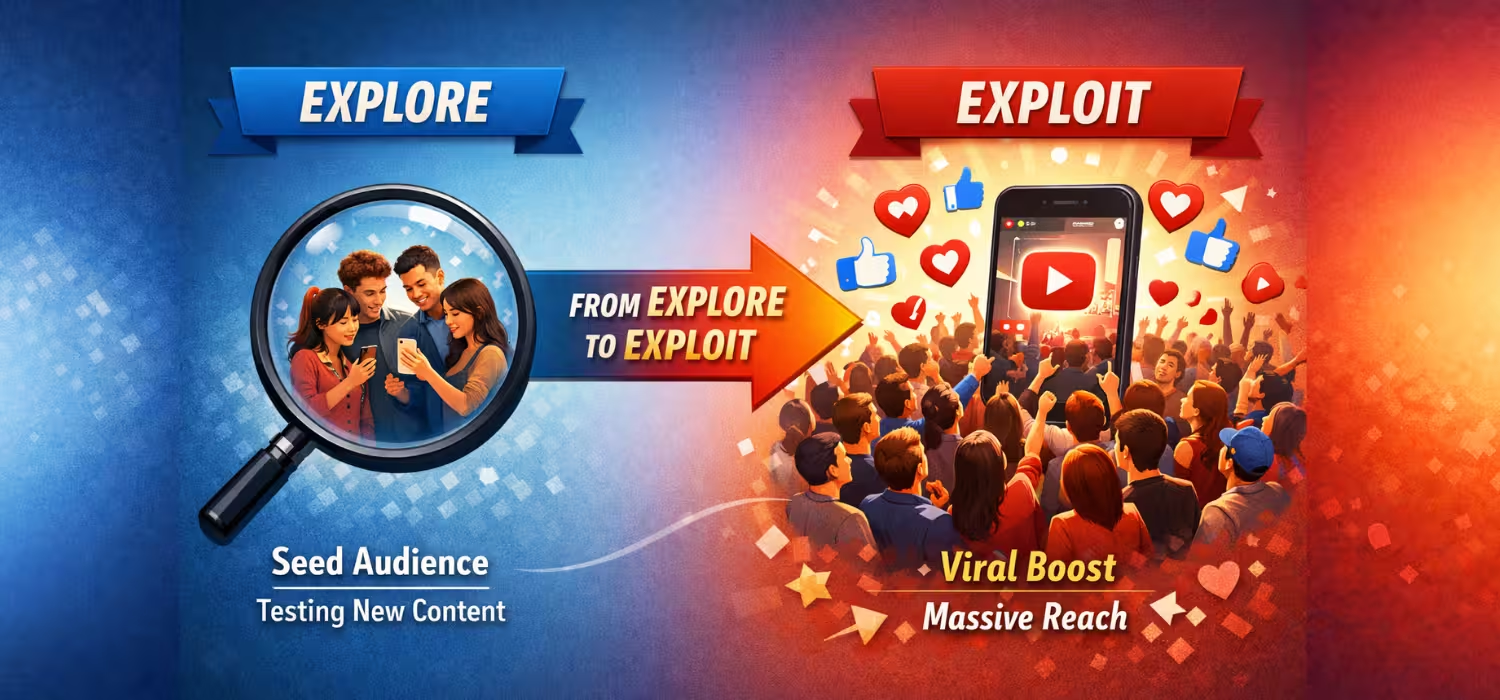
2. The Big Update: Views vs. Engaged Views
As of late 2025, how YouTube counts views has shifted significantly.
Now, every time a Short starts or loops, it counts as a View. This means your total view count might look 30% higher than before.
However, don’t let those numbers fool you.
The algorithm now prioritizes Engaged Views. An Engaged View happens when someone watches for more than a few seconds.
Only these views help you qualify for the Partner Program and earn revenue.
3. The “Swiped Away” Metric is King
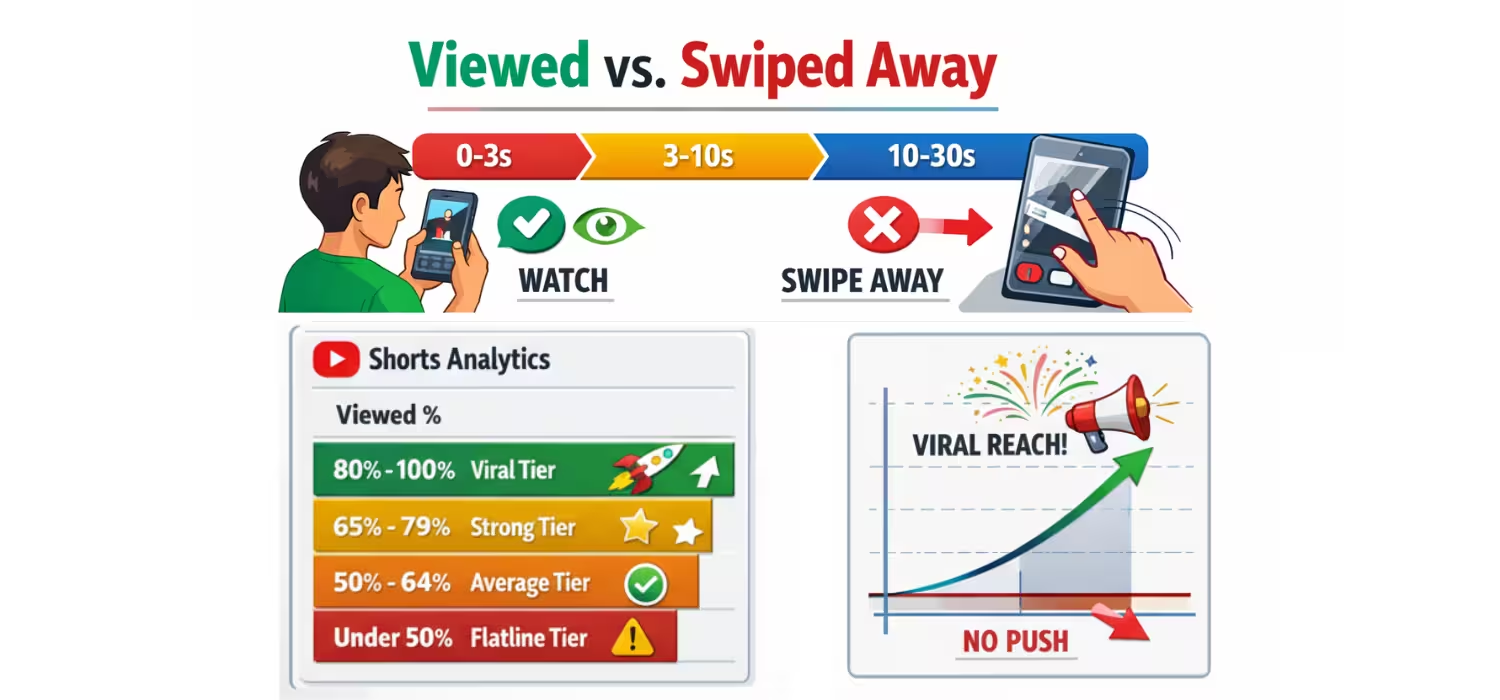
There’s one key metric you should focus on in your analytics: Viewed vs. Swiped Away.
If 40-50% of viewers swipe away in the first few seconds, YouTube will stop promoting your video.
Your goal? Win the swipe within the first three seconds. Keep them hooked early and your video will get the chance to be pushed to a larger audience.
To understand if your video is a winner, check your Analytics > Content > Shorts tab. Here is how to read your “Viewed” percentage in 2026:
| Viewed % | Algorithm Status | Creator Action |
| 80% – 100% | Viral Tier | Explosive reach. The algorithm will “Exploit” this to millions. |
| 65% – 79% | Strong Tier | Consistent growth. Your seed audience loved it; YouTube will keep pushing. |
| 50% – 64% | Average Tier | Steady views. Good for core fans, but unlikely to go “mega-viral.” |
| Under 50% | Flatline Tier | YouTube stops pushing. Your hook didn’t land; analyze the first 3 seconds. |
 4. Master the Retention Heatmap
Once you’ve won the “swipe,” you have to keep them. In 2026, check your Analytics > Engagement for the heatmap.
- The Sharp Cliff: Sudden drop at 1–2 seconds? Your visual hook didn’t match your title.
- The Staircase: Frequent small drops? You have “dead air.” Use Micro-Cuts to remove every breath and pause.
- The Spike: A sudden bump in the graph? People are re-watching a specific part. Double down on that specific type of content in your next video.
5. Secrets to Mastering the 2026 Algorithm
The 3-Second Hook Checklist
Before you publish, ensure your Short has at least two of these:
- Visual Pattern Interrupt: A sudden zoom, a fast cut, or a text overlay that pops in.
- The Curiosity Gap: A headline that promises a result (e.g., “The one secret to…”)
- The Negative Hook: “Stop doing [Common Mistake]…”
- The Result First: Show the final product/outcome in the first 0.5 seconds.
Length & AI Disclosure
- The 3-Minute Rule: While Shorts can now be up to 3 minutes, the “Sweet Spot” remains 13–60 seconds. Only go longer if your retention heatmap stays above 50% throughout.
- AI Clipping & Labels: AI tools are great for repurposing long-form content, but be careful. If your AI tool alters reality, you must use the “Altered Content” label in 2026 to avoid reach penalties.
- The 200-Video Rule: Channels that post at least 200 high-quality Shorts see a massive boost in “Seed Audience” accuracy. Consistency teaches the algorithm who your fans are.
6. Metadata Still Matters
It’s easy to think that metadata (titles, descriptions, and tags) don’t matter for Shorts. But they still play a crucial role in the algorithm.
- Titles: Use clear, descriptive titles with relevant keywords so YouTube knows who to show your video to.
- Hashtags: Make sure to use appropriate hashtags in your titles and descriptions. They help categorize your content and make it discoverable.
- Related Video Feature: Always link your Shorts to your long-form videos using the Related Video feature. This creates a bridge between your Shorts and other content, helping to drive traffic to your channel.
By using the right metadata, you help YouTube understand your content and target the right audience.
7. Timing and Thumbnails
Timing and thumbnails still matter for Shorts in 2026—especially when your videos appear outside of the Shorts feed (e.g., in search results or recommended videos).
- Timing: Post your videos during peak viewing times. While the best times vary by audience, evenings and weekends tend to see more activity.
- Thumbnails: Even though Shorts are often viewed directly in the feed, thumbnails still matter. They can help attract clicks when your Shorts appear outside the feed.

Final Thoughts
The YouTube Shorts algorithm in 2026 is more transparent than ever. Forget the old worries about luck or random chance, focus on engagement. Hook your audience in the first three seconds, keep them engaged for the full duration, and post consistently.
The views will follow, and with them, the growth.
